
Struggling with Family Caregiver Burnout? Here's How to Find Your Balance Again
You know that moment when you snap at your mom over something small, then feel terrible about it five seconds later? Or when you realize you can't remember the last time you did something just for yourself? If you're nodding along right now, you're not alone, and you're definitely not failing. You might just be experiencing caregiver burnout.
Here's the thing: caring for a family member is one of the most loving things you can do. But it's also one of the hardest. And somewhere between managing medications, coordinating doctor appointments, helping with daily activities, and still trying to live your own life, you can lose yourself in the process.
Let's talk about what caregiver burnout really looks like, why it happens to the best of us, and most importantly, how to find your way back to balance.
What Is Caregiver Burnout, Really?
Caregiver burnout isn't just feeling tired after a long day. It's a state of emotional, mental, and physical exhaustion that builds up over time when you're providing care without enough support or rest. Studies show that over 60% of caregivers experience burnout symptoms at some point, which means if you're struggling, you're in the majority, not the minority.
Think of it like running a marathon without training, water breaks, or a finish line in sight. Your body and mind can only sustain that pace for so long before something has to give.
The tricky part? Burnout doesn't happen overnight. It creeps up gradually, often disguised as normal caregiving stress. You might tell yourself, "I'm just having a rough week," or "I'll rest when things calm down." But without intervention, those rough weeks turn into rough months, and suddenly you're running on empty.

The Warning Signs You Shouldn't Ignore
Here's what burnout actually looks like in real life, not the textbook version, but the everyday struggles that family caregivers in Houston, Austin, Dallas, and San Antonio tell us about:
Physical Exhaustion That Sleep Doesn't Fix
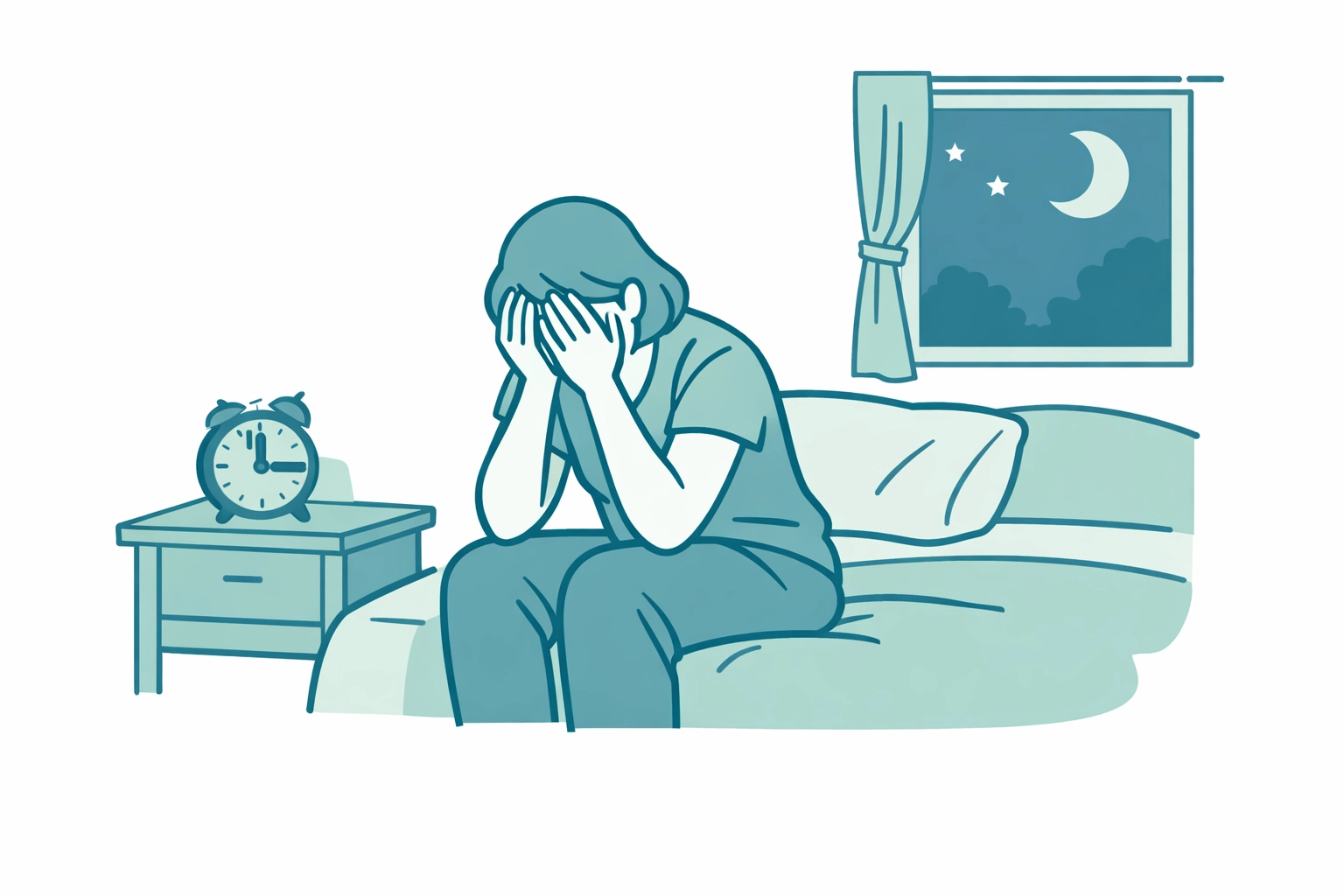
You're tired all the time, even after a full night's sleep (if you're lucky enough to get one). Your body feels heavy. Simple tasks feel overwhelming. You might be getting sick more often because your immune system is running on fumes.
The Emotional Rollercoaster
One minute you're fine, the next you're crying in the grocery store parking lot. Small frustrations feel like major crises. You might feel guilty for being irritable, which makes you feel worse, which makes you more irritable. It's a exhausting cycle.
Withdrawing from the World
Remember when you used to grab coffee with friends, go to church, or have hobbies? Those things start falling away. You cancel plans. You stop answering texts. You tell yourself you're too busy, but really, you just don't have the energy for anything beyond caregiving.
Losing Yourself in the Role
When someone asks how you're doing, you automatically talk about your loved one's health instead of your own. You can't remember the last time you thought about your own needs, wants, or dreams. Your identity has become completely wrapped up in being a caregiver.
The Resentment You're Ashamed to Admit
This one's hard to talk about, but it's so common. You love your family member, but you're starting to resent the situation. You might feel trapped or angry, then feel guilty for having those feelings. It's okay, those feelings are a red flag that you need support, not a sign that you're a bad person.
Why Seeking Help Isn't Giving Up, It's Stepping Up
Let's bust a myth right now: asking for help doesn't mean you're failing at caregiving. It means you're smart enough to recognize that you can't do everything alone.
Think about it this way, when your loved one needed help with daily activities, you stepped in because you wanted them to have the best care possible, right? Well, you deserve that same quality of care and support. Your wellbeing matters just as much as theirs.
Here's something most people don't talk about: when you're burned out, the quality of care you can provide naturally decreases. It's not your fault: it's basic human biology. An exhausted, stressed, overwhelmed caregiver simply can't give the same level of attention and patience as someone who's rested and supported.
Untreated burnout can lead to serious health consequences including depression, anxiety, high blood pressure, and a weakened immune system. You can't pour from an empty cup, as they say. And you certainly can't take care of someone else if you're not taking care of yourself.
How Professional Support Can Change Everything
This is where home health care services become not just helpful, but essential. Having professional caregivers come alongside you doesn't replace your role: it supports it and makes it sustainable for the long haul.
Personal Care Services: The Relief You've Been Needing
Personal care services at home can handle those daily tasks that take up so much time and energy: bathing, dressing, grooming, mobility assistance, and toileting needs. When you have professional caregivers managing these intimate care tasks, you get to step back into being a daughter, son, spouse, or grandchild again instead of being on-duty 24/7.
For caregivers across Texas: whether you're in Houston's busy Medical Center area, Austin's hill country neighborhoods, Dallas's sprawling suburbs, or San Antonio's historic districts: having someone come to your loved one's home means you don't have to uproot their life or yours to get the support you both need.
Companion Care Services: More Than You Might Think
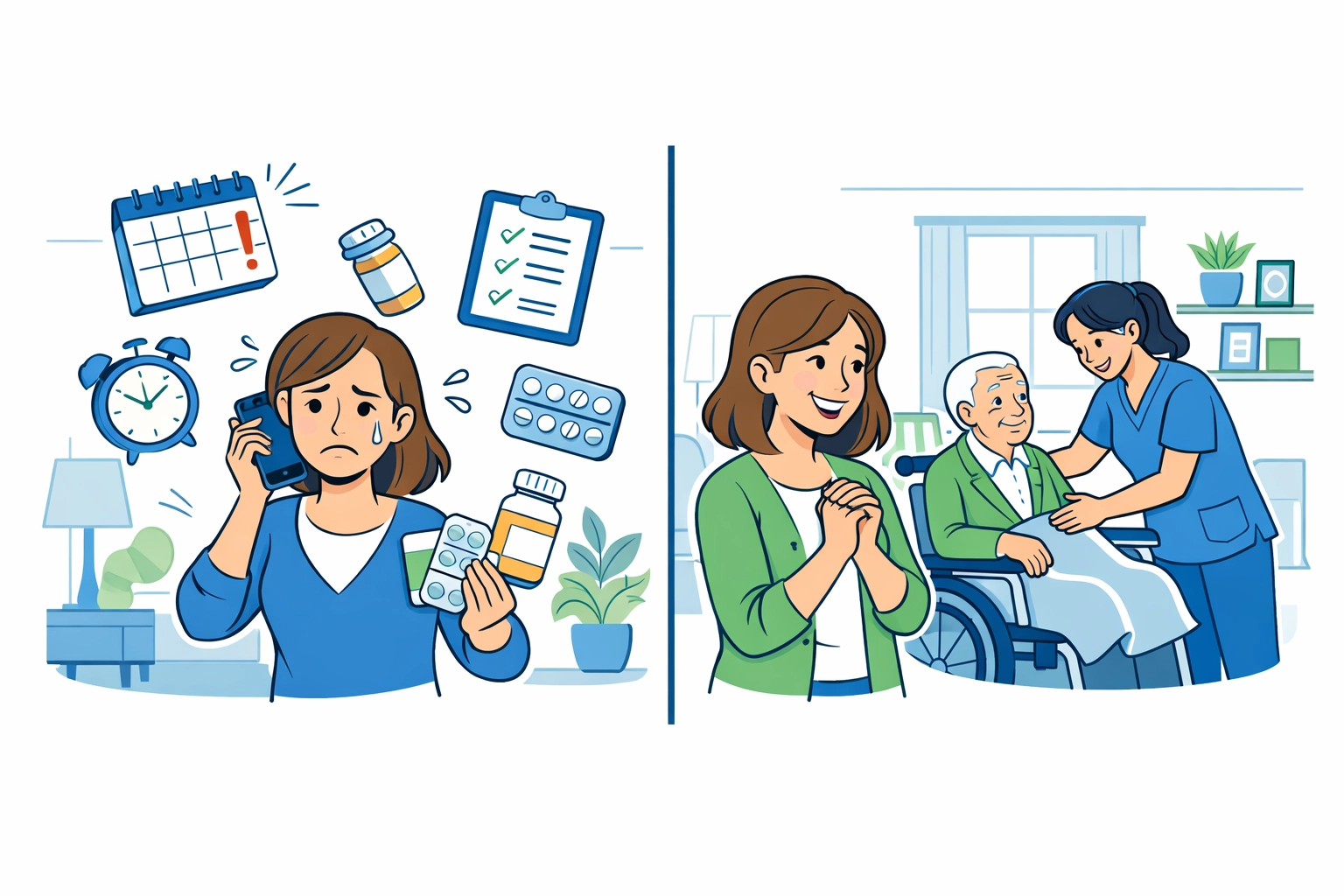
Companion care services offer something incredibly valuable: another caring presence. A professional companion can spend time with your loved one, engage them in conversation, participate in activities they enjoy, accompany them to appointments, and provide medication reminders.
Here's what this really means for you: you can go to your own doctor's appointment. You can take your kid to their soccer game. You can work without constantly checking your phone. You can take a nap without guilt. You can breathe.
Supportive Care: Building a Care Team, Not Just Hiring Help
The best care isn't just about having someone show up: it's about building a relationship and a care plan that actually works for your family's unique situation. That's what supportive care is all about.
At Companion Care Home Healthcare, we've seen firsthand how the right support transforms families. We're not just providing services; we're becoming part of your care team. Our caregivers get to know your loved one's preferences, routines, and personality. They become a familiar, trusted presence rather than a stranger in the home.
Small Steps Toward Finding Balance Again
If you're reading this and thinking, "This all sounds great, but I don't even know where to start," here are some realistic first steps:
Step 1: Admit You Need Help
This might be the hardest step, but it's the most important. Say it out loud: "I need help." There's no shame in that sentence: only wisdom.
Step 2: Start Small
You don't have to overhaul your entire caregiving situation overnight. Maybe you start with having a caregiver come two mornings a week. Or just during your loved one's bathing and morning routine. Small pockets of relief add up to significant restoration over time.
Step 3: Give Yourself Permission to Rest
When you do get a break, actually rest. Don't use that time to catch up on laundry or run errands (at least not all of it). Do something that refills your tank: take a walk, read a book, call a friend, or literally just take a nap. Your brain and body need genuine downtime.
Step 4: Reach Out to Professionals
Talk to a home healthcare provider about your specific situation. A good provider will listen to your needs, understand your concerns about cost or change, and work with you to create a plan that actually fits your life.

What Happens When You Get Support
Here's what we hear from family caregivers who finally let professional help in:
"I didn't realize how much I'd been holding my breath until I could finally exhale."
"The first time I left the house without my phone glued to my hand, I felt like a new person."
"My mom actually perked up having someone new to talk to: I think she felt guilty about needing so much from me."
"I remember who I was before I became a full-time caregiver. I thought that person was gone forever."
Getting support doesn't just benefit you: it benefits your loved one too. They get professional, attentive care from someone who isn't exhausted. They often enjoy the social interaction with a new person. And they get to see you return to being more like yourself, which can ease their own guilt about needing help.
You Deserve Balance Too
If there's one thing we want you to take away from this, it's this: your needs matter. Your health matters. Your happiness matters. Not someday when caregiving is over or when things calm down: right now, today.
Caregiver burnout isn't a personal failing: it's a predictable response to an incredibly demanding situation. And just like any health condition, it responds well to treatment. In this case, the treatment is support, respite, and letting yourself be cared for too.
Whether you're in Houston dealing with post-work caregiving, in Austin balancing a tech job with family care, in Dallas managing care across a large metro area, or in San Antonio trying to honor your cultural values while getting modern support: there are options that can work for your unique situation.
You've been strong for so long. Now it's time to let someone be strong for you too. That's not weakness: that's wisdom. And it might be the best decision you make for both yourself and the person you're caring for.
If you're ready to explore how professional caregiving services could help bring some balance back into your life, we're here to talk. No pressure, no judgment: just caring people who understand what you're going through and want to help.
You don't have to do this alone anymore.
Comments