
Navigating Texas Long-Term Care Waivers: Your Simple Guide to STAR+PLUS and More
Let's be real, figuring out Texas's long-term care waiver programs can feel like trying to solve a Rubik's cube blindfolded. You've got acronyms flying around like STAR+PLUS, HCS, and CLASS, and you're just trying to figure out how to keep your loved one safe and comfortable at home.
Good news? We're here to break it all down in plain English. No jargon overload, no confusing government-speak, just the straight-up info you need to understand these programs and see if they might be right for your family.
What Exactly IS a Long-Term Care Waiver?
Think of a waiver like a special voucher from Texas Medicaid. Instead of paying for nursing home care, the state "waives" certain rules and lets that money go toward services that help people stay in their own homes and communities. Pretty cool, right?
These waivers can cover things like personal care assistance, nursing services, therapy, home modifications, and even meal delivery. The catch? They don't cover basic living expenses like rent, utilities, or groceries, just the care and support services themselves.
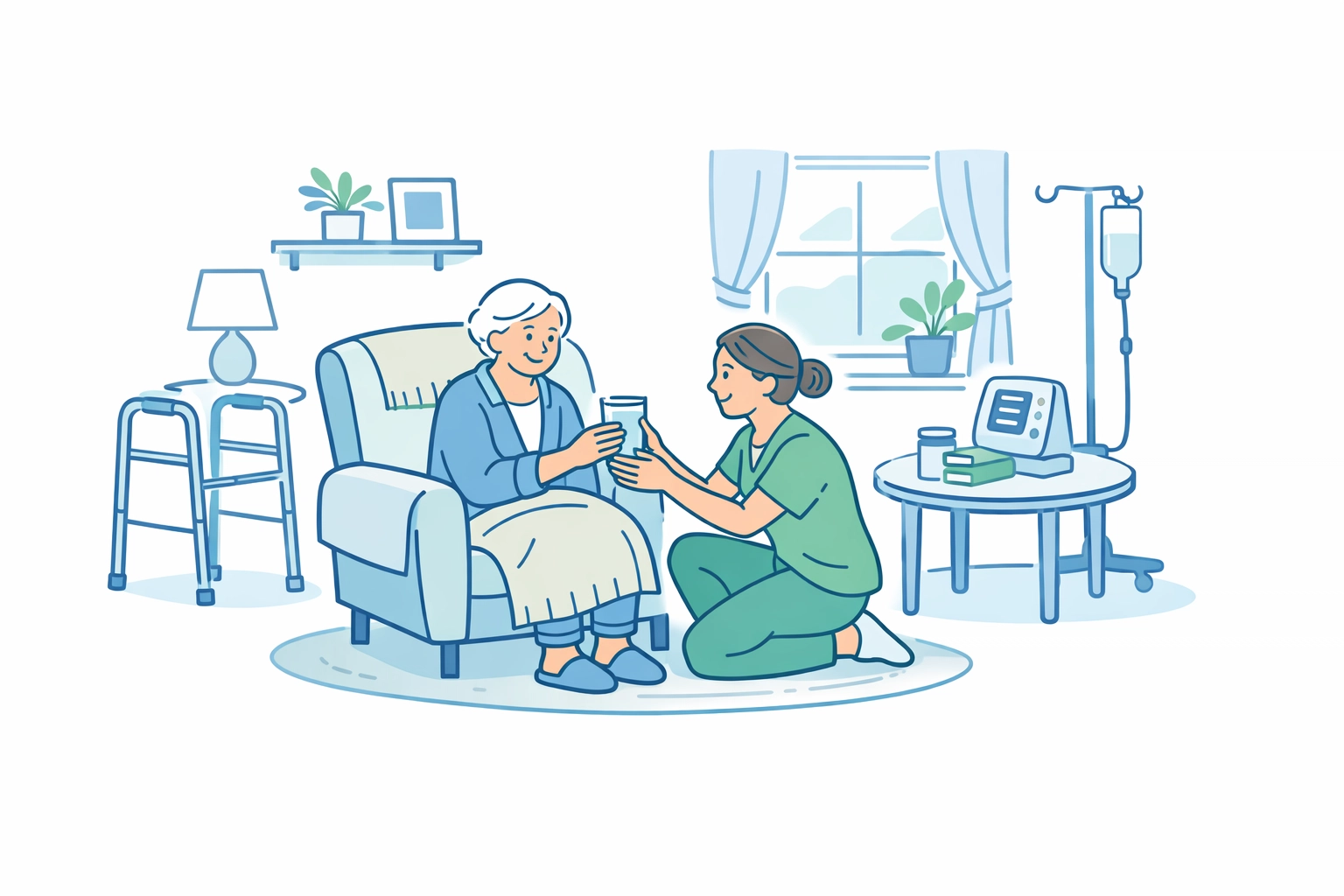
The whole point is simple: help people with disabilities and seniors get the care they need without having to move into a nursing facility. Because let's face it, most people would rather stay in their own home surrounded by family, friends, and familiar surroundings.
The Big Three: Texas Waiver Programs You Should Know About
STAR+PLUS Waiver (The Most Common One)
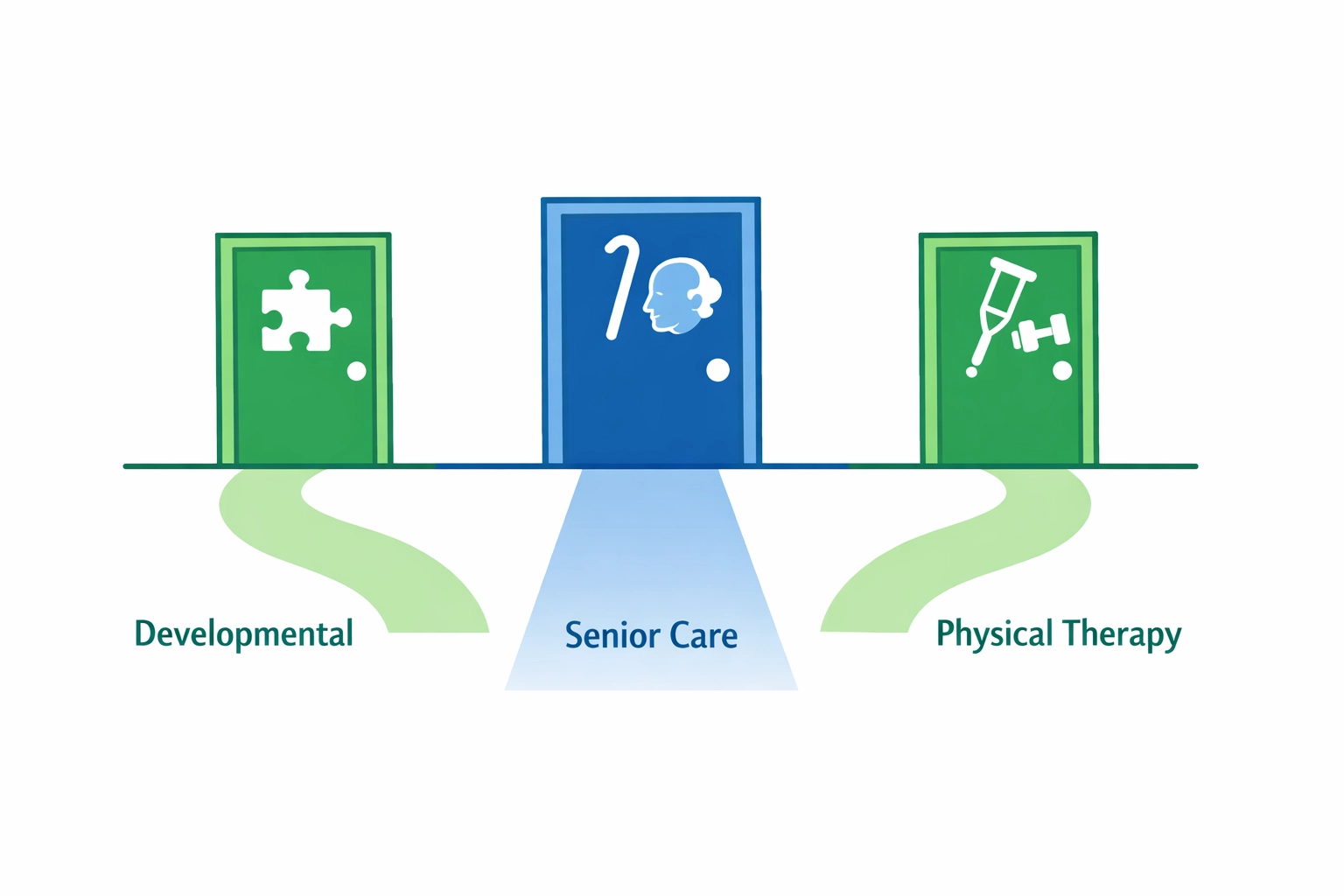
If you're looking into home health care services for an older adult or someone with physical disabilities, STAR+PLUS is probably the program you'll hear about most. It's the go-to option for seniors and adults with disabilities who need nursing facility-level care but want to stay home.
What does STAR+PLUS cover? A whole bunch of helpful stuff:
Personal care services at home (help with bathing, dressing, eating)
In-home nursing care
Adult day care programs
Home modifications (like ramps or grab bars)
Meal delivery
Emergency response systems
Respite care (giving family caregivers a break)
Here's where it gets interesting: STAR+PLUS has a Consumer Directed Services (CDS) option. That means you can choose your own caregiver, even hire a family member or friend to provide care (though not a spouse). We'll dig into that more in a minute because it's a game-changer for a lot of families.
Whether you're searching for in home care Houston, home health care Austin TX, home health care Dallas TX, or in home care San Antonio, STAR+PLUS is available statewide.
HCS (Home and Community-based Services)
HCS is designed specifically for individuals with intellectual or developmental disabilities. This program provides support to help people live as independently as possible in their communities.
Services under HCS include:
Residential support and supervision
Day programs and activities
Employment assistance
Behavioral support
Respite care for families
Therapies and adaptive aids
CLASS (Community Living Assistance and Support Services)
CLASS serves people with physical disabilities or "related conditions" that started before age 22 (but aren't developmental disabilities). Think conditions like cerebral palsy, traumatic brain injuries, or similar challenges.
CLASS offers many of the same types of support as HCS, community living assistance, therapies, adaptive equipment, and respite care.
Do You Qualify? Breaking Down Eligibility
Okay, so these programs sound great, but how do you actually qualify? There are two big pieces: medical eligibility and financial eligibility.
Medical Eligibility: Nursing Facility Level of Care
To qualify for most waivers, you need to demonstrate that you require "nursing facility level of care." Basically, the state needs to verify that you need the type of full-time assistance typically provided in a nursing home.
They'll evaluate your ability (or inability) to do everyday activities like:
Activities of Daily Living (ADLs): Bathing, dressing, eating, toileting, moving around
Instrumental Activities of Daily Living (IADLs): Cooking, cleaning, shopping, managing medications, paying bills
If you or your loved one needs significant help with these activities, you're likely to meet the medical eligibility requirements.
Financial Eligibility: Income Limits
Most Texas waiver programs require your income to fall within 300% of the Supplemental Security Income (SSI) level. Some programs have stricter limits, so it's worth checking the specific requirements for the program you're interested in.
The good news? For most programs, they don't count parental income when determining financial eligibility (with a few exceptions).

The CDS Option: A Total Game-Changer for Families
Here's one of the coolest parts about many Texas waiver programs: Consumer Directed Services. With CDS, you're not stuck with whatever caregiver the agency assigns. YOU get to choose who provides care.
Want to hire your daughter to help with daily care? A trusted family friend? Someone from your church? With CDS, you can do that. You basically become the employer, and your chosen caregiver gets paid through the program.
This is huge for families who want:
Cultural and language compatibility with caregivers
Familiar faces providing care
More control over the care schedule and approach
The ability to keep money in the family while still providing professional care
We've written before about the Texas CDS program and how it can help families turn informal caregiving into formal, paid support.
Getting Started: Your Next Steps
So you think a Texas waiver program might be right for your family. What now?
Step 1: Figure out which program fits best. Is your loved one a senior needing personal care services at home? STAR+PLUS is probably your program. Is it a younger person with an intellectual disability? Look into HCS or CLASS.
Step 2: Contact your local Medicaid office or Area Agency on Aging to start the application process. They'll help you navigate the paperwork (and yes, there's paperwork).
Step 3: Get ready for assessments. Someone will need to evaluate your loved one's care needs to determine if they meet the nursing facility level of care requirement.
Step 4: Be patient. Unfortunately, these programs often have waiting lists. It's frustrating, but getting on the list sooner rather than later is important.
Step 5: Get help navigating the process. This is where working with an experienced home health care provider can make all the difference.

How Companion Care Can Help
Look, we get it: navigating Texas waiver programs can feel overwhelming. Between the acronyms, eligibility requirements, assessments, and paperwork, it's easy to feel lost.
That's where we come in. At Companion Care Home Healthcare, we've helped countless families throughout Texas understand their options and access the care they need. Whether you're in Houston, Austin, San Antonio, Dallas, or anywhere else in Texas, we can:
Help you understand which waiver program might be right for your situation
Guide you through the CDS enrollment process if that's the route you choose
Provide personal care services at home for those who qualify
Connect you with resources and support throughout the journey
We speak your language (literally: we serve both English and Spanish-speaking families), and we understand the unique needs of Texas communities.
The Bottom Line
Texas long-term care waivers exist for one simple reason: to help people stay home with dignity and quality care. Whether it's STAR+PLUS for seniors, HCS for individuals with developmental disabilities, or CLASS for those with related conditions, these programs make home-based care financially possible for families who might otherwise be forced into nursing facility placement.
The CDS option adds another layer of flexibility, letting families choose caregivers they trust and feel comfortable with.
If you think your loved one might benefit from one of these programs, don't wait. The sooner you start exploring your options, the sooner you can access the support your family needs.
Have questions about Texas waiver programs or want to talk through your specific situation? Reach out to us at Companion Care: we're always happy to help Texas families navigate their home care options. Because at the end of the day, keeping your loved ones safe, comfortable, and happy at home? That's what we're all about.
Comments