
Can I Get Paid to Care for My Family? A Simple Guide to the Texas CDS Program
If you're already caring for a loved one at home, helping with bathing, cooking, medication reminders, or just being there when they need you, here's a question worth asking: Can I actually get paid for this?
The short answer? Yes, you can. And if you're in Texas, there's a program specifically designed to help families like yours.
It's called the Consumer-Directed Services (CDS) Program, and it's part of Texas Medicaid. Thousands of families across Houston, Austin, San Antonio, and Dallas are using it to turn caregiving into both a labor of love and a paid job.
Let's break down how it works, who qualifies, and how you can get started.
What Is the Texas CDS Program?
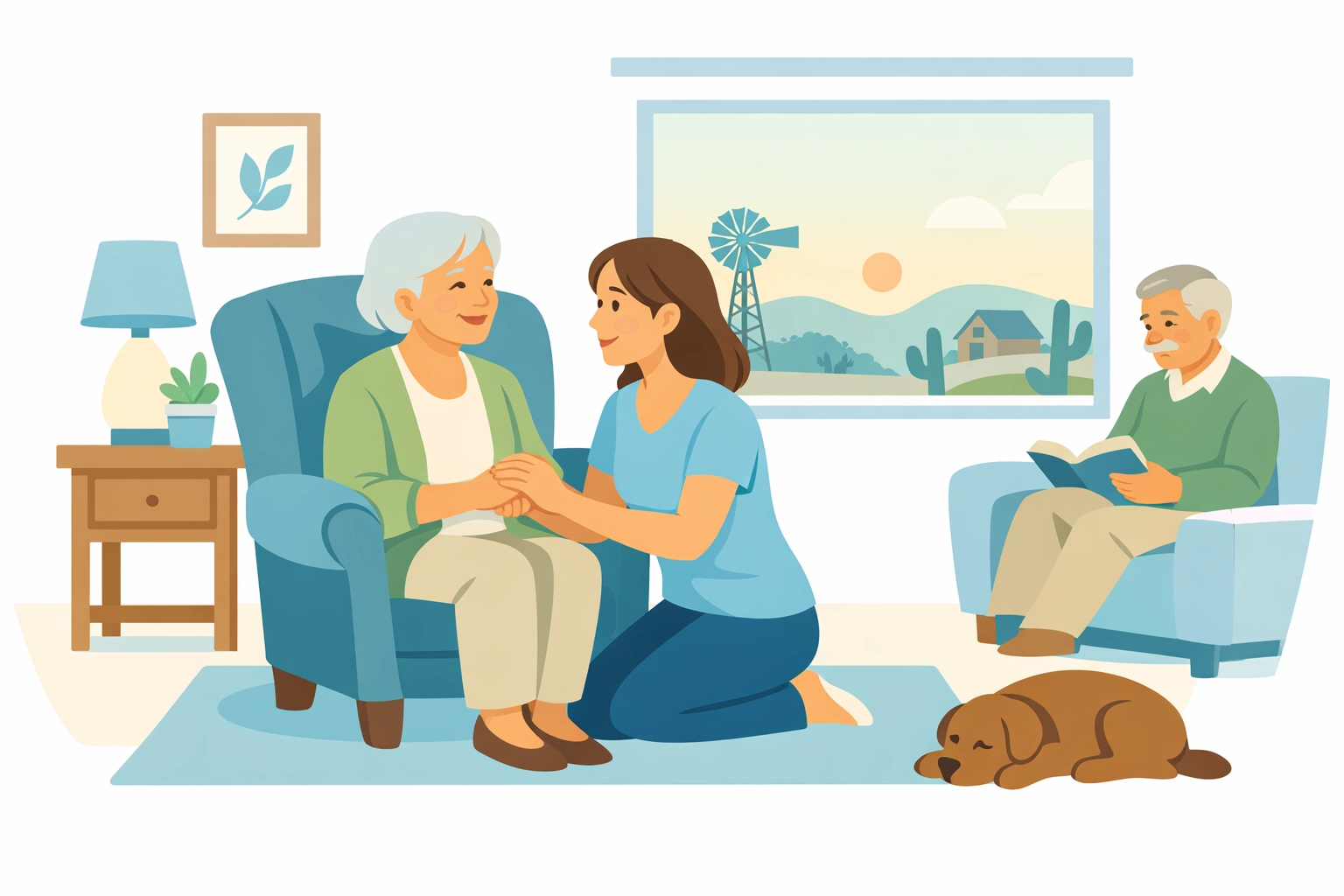
The Texas CDS Program is a Medicaid-funded initiative that flips the traditional caregiving model on its head. Instead of hiring a stranger from an agency, your loved one (or their guardian) becomes the employer: and they get to hire you.
That's right. You become an official, paid caregiver for your family member. No agency middleman. No strangers coming into the home. Just you, providing the personal care services at home that you're probably already doing: but now with a paycheck and support.
Here's the best part: while you're in charge of the care, you don't have to handle all the paperwork alone. Organizations like Consumer Direct Care Network step in to manage the administrative side: processing timesheets, handling payroll, and making sure everything's filed correctly.
How Does It Actually Work?
Think of the CDS program as giving your family more control. Instead of accepting whatever caregiver an agency assigns, your loved one becomes their own boss and chooses who provides their care.
Here's the process in a nutshell:
Your loved one enrolls in one of the qualifying Medicaid waiver programs (more on those below).
They hire you as their caregiver: just like any other employer would.
You provide care based on a personalized plan that fits their needs and schedule.
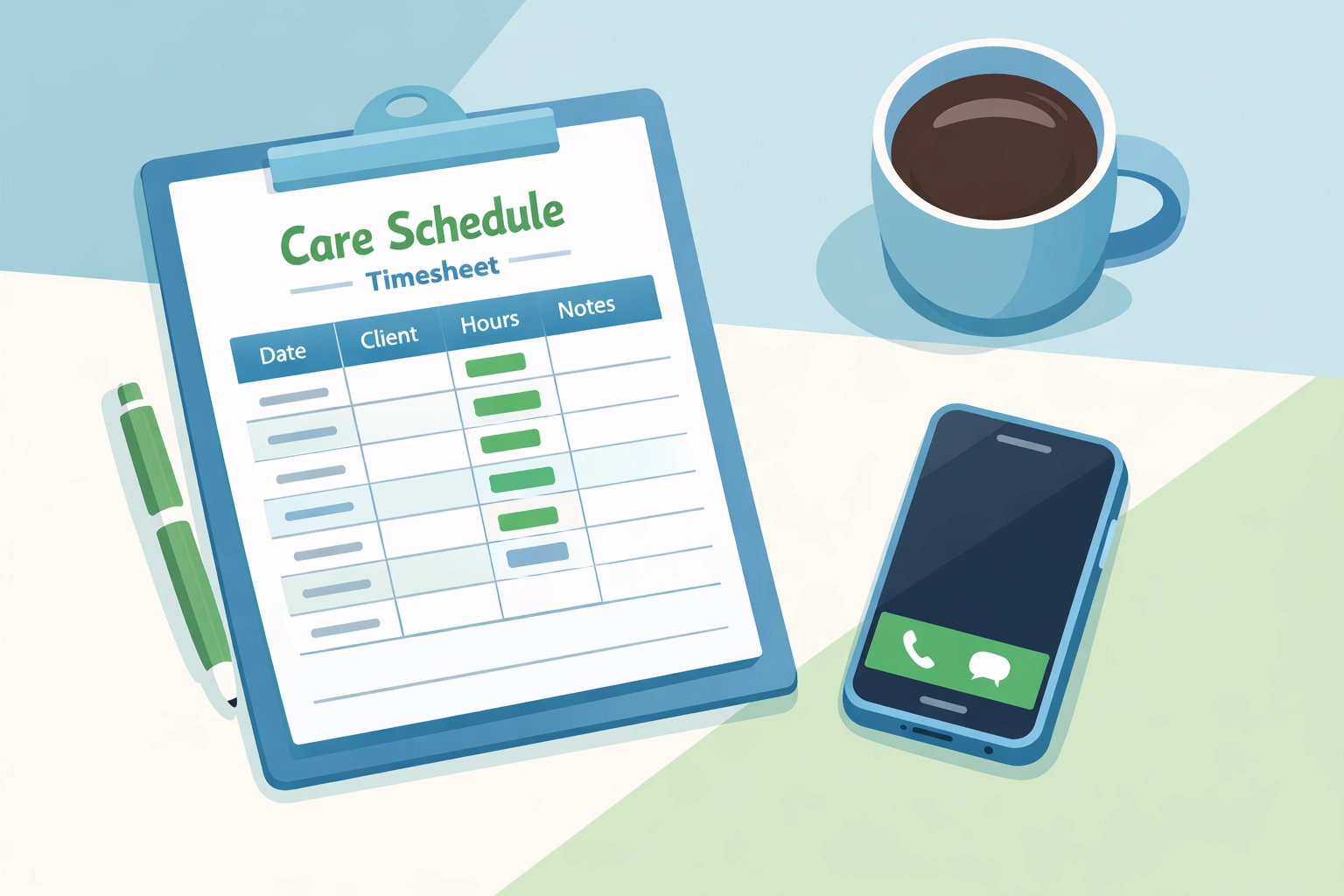
You track your hours using timesheets provided by the program.
You get paid through direct deposit or check, just like any other job.
The beauty of this setup? You're not just clocking in and out. You're designing a care plan that actually makes sense for your family. Need to adjust schedules around school pickup? Want to focus more on companionship than clinical tasks? You're in control.
Who Can Get Paid Under the CDS Program?
This is where it gets specific, so pay close attention. Most family members can be paid as caregivers under CDS, but there are a few important exceptions.
Who CAN Be Paid:
Adult children
Parents
Siblings
Cousins
Grandchildren
Extended family members
Friends or trusted neighbors
Who CANNOT Be Paid:
Spouses (though there are some exceptions in certain Medicaid plans where spouses can earn between $10-$14 per hour)
Legal guardians of the care recipient
The reasoning here is pretty straightforward: Medicaid wants to avoid conflicts of interest while still allowing families to keep care close to home.
If you fall into the "can be paid" category, you're eligible as long as you meet basic requirements like being at least 18 years old and having a high school diploma or equivalent.
What Texas Medicaid Programs Offer Family Caregiver Payment?
Texas has several Medicaid waiver programs that allow family members to get paid. Here are the main ones:
Community First Choice (CFC)
This program serves people who need institutional-level care but want to stay at home. It covers assistance with daily activities like bathing, dressing, meal prep, and mobility support. Caregivers must be at least 18 with a high school diploma, and payment is processed through a qualified financial management service.
STAR+PLUS Waiver
For adults 21 and older who would otherwise need nursing facility care, this waiver allows them to hire relatives (excluding spouses) and receive 30-50 hours of home care per week. It's designed for people with complex medical needs who want to avoid institutional settings.
Texas Home Living (TxHmL) Waiver
This program focuses on individuals with intellectual and developmental disabilities who need support to live independently. Family members can be hired to provide personal care services at home, helping with daily routines and community integration.
Your eligibility depends on your loved one's specific needs and their Medicaid status. A caseworker can help determine which program is the best fit.
Why Families in Texas Love the CDS Program
There's a reason this program has become so popular in cities like Houston, Austin, San Antonio, and Dallas. It solves some of the biggest challenges families face when a loved one needs care.
1. You Already Know the Routine
No training period. No awkward introductions. You understand your mom's coffee preferences, your dad's medication schedule, and exactly how your grandma likes her eggs. That familiarity translates into better, more personalized care.
2. Stay Home, Stay Together
Home health care services allow your loved one to age in place: surrounded by family photos, their favorite chair, and the neighborhood they know. Research consistently shows that people recover faster and feel happier when they're at home.
3. Financial Relief
Let's be real: caregiving is expensive. Between lost work hours, medical supplies, and home modifications, costs add up fast. Getting paid for the care you're already providing can ease the financial strain and help you focus on what matters most.
4. Flexibility and Control
Unlike agency-based care, the CDS program lets you set the schedule. Need to adjust hours around your own job or other responsibilities? You can do that. Want to focus more on companionship than clinical tasks? That's your call.
Things to Think About Before You Start
While the CDS program is a game-changer for many families, it's worth considering how becoming a paid caregiver might affect your relationship with your loved one.
Ask yourself:
Can we handle the shift from "family helping family" to "employer and employee"?
Will my loved one be comfortable with timesheets, schedules, and documentation?
Am I prepared to admit mistakes or challenges in a more professional context?
Do we have a backup plan if I need time off?
These aren't dealbreakers: they're just things to talk about openly before you get started. Setting clear expectations from the beginning can prevent misunderstandings down the road.
How to Get Started with the Texas CDS Program
Ready to explore whether the CDS program is right for your family? Here's how to take the first step:
When You Need More Than Family Can Provide
The CDS program is an incredible resource, but sometimes families need additional support: whether it's skilled nursing, physical therapy, or just a break from caregiving duties.
That's where professional home health care services come in. At Companion Care Home Healthcare, we work alongside families across Texas to fill in the gaps when you need extra hands, specialized skills, or respite care.
We believe that the best care happens when families and professionals work together. Whether you're enrolled in the CDS program or exploring other options, we're here to help you create a plan that keeps your loved one safe, comfortable, and happy at home.
The Bottom Line
Caring for a family member is one of the most meaningful things you can do: but it shouldn't come at the cost of your own financial stability. The Texas CDS Program offers a way to honor both: providing excellent personal care services at home and getting fairly compensated for your time and dedication.
If you're in Houston, Austin, San Antonio, Dallas, or anywhere else in Texas, this program could be the solution your family's been looking for. You're already doing the work. Why not get paid for it?
Have questions about the CDS program or need help navigating your care options? Reach out to Companion Care Home Healthcare: we're here to help Texas families find the support they deserve.
Comments