
7 Mistakes You're Making with Medication Reminders for Seniors (and How to Fix Them)
Managing medications for aging loved ones can feel like a second job. Between tracking doses, timing schedules, and deciphering prescription labels, it's easy to make mistakes: even when you're doing your absolute best.
If you're helping an elderly parent or family member stay on top of their medications, you're not alone. About 50% of seniors report missing doses or not taking medications as prescribed, and many of these errors stem from simple, fixable oversights.
Let's walk through the seven most common medication reminder mistakes families make in Texas: and more importantly, how to fix them before they become a bigger problem.
Mistake #1: Relying Solely on Technology Without a Backup Plan
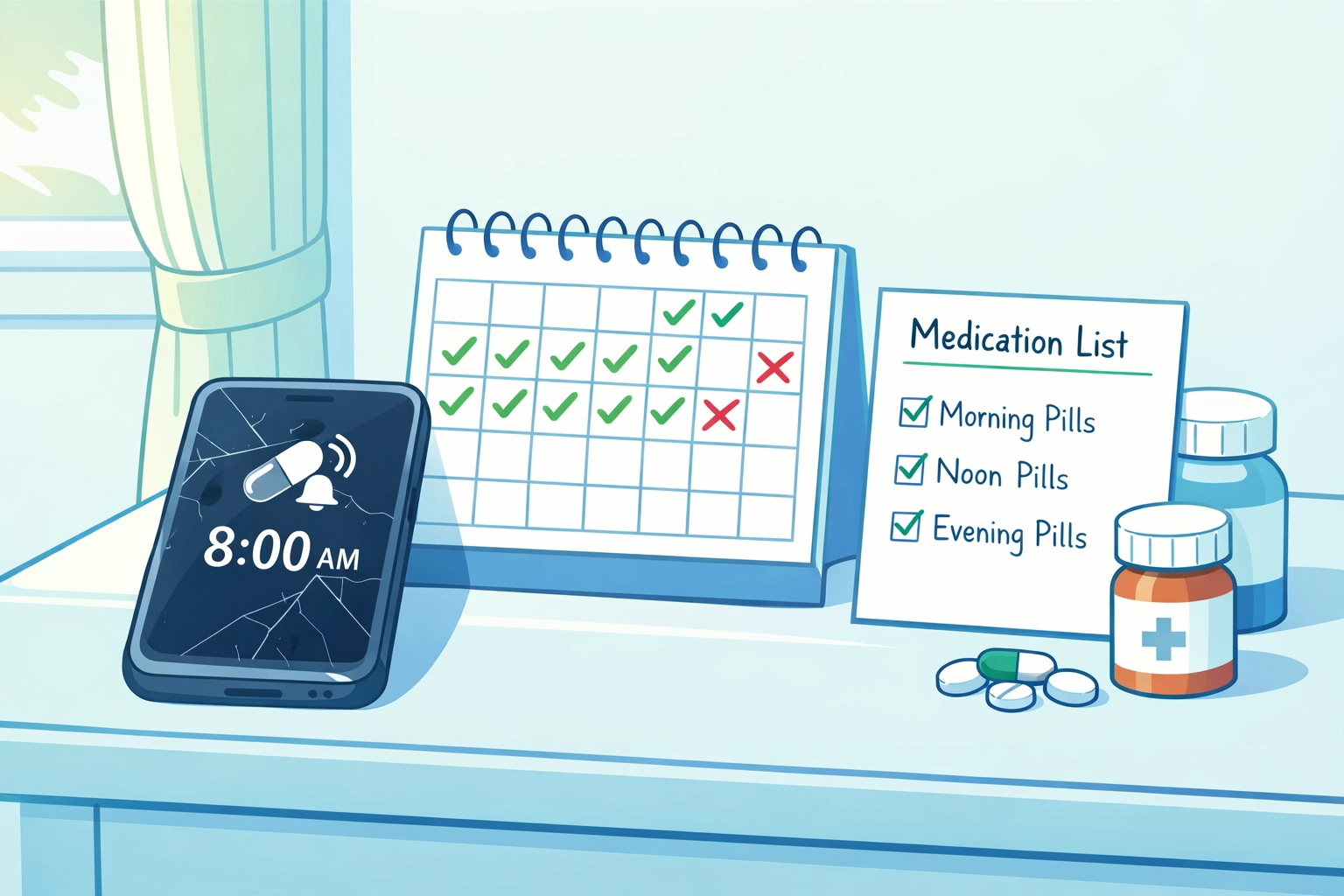
Smartphone alarms and medication reminder apps are fantastic tools: until they're not. Batteries die. Wi-Fi goes out. Phones get misplaced. And suddenly, your foolproof system has a gaping hole.
The Fix: Always have a manual backup. This could be as simple as a physical calendar on the kitchen counter, a checklist taped to the bathroom mirror, or sticky notes on pill bottles. Better yet, schedule regular check-in calls or visits to verify medications were taken. If you can't be there in person, consider professional medication reminders for seniors through a trusted home health care service.
At Companion Care, our caregivers provide hands-on medication reminders as part of our daily routine. Technology is great, but nothing beats a real person who can confirm your loved one actually took their pills: and took the right ones.
Mistake #2: Forgetting or Skipping Doses
This is the most common medication error, hands down. Life gets busy. Your mom forgets. Your dad feels fine and thinks he doesn't need that afternoon pill. Before you know it, doses are being skipped regularly.
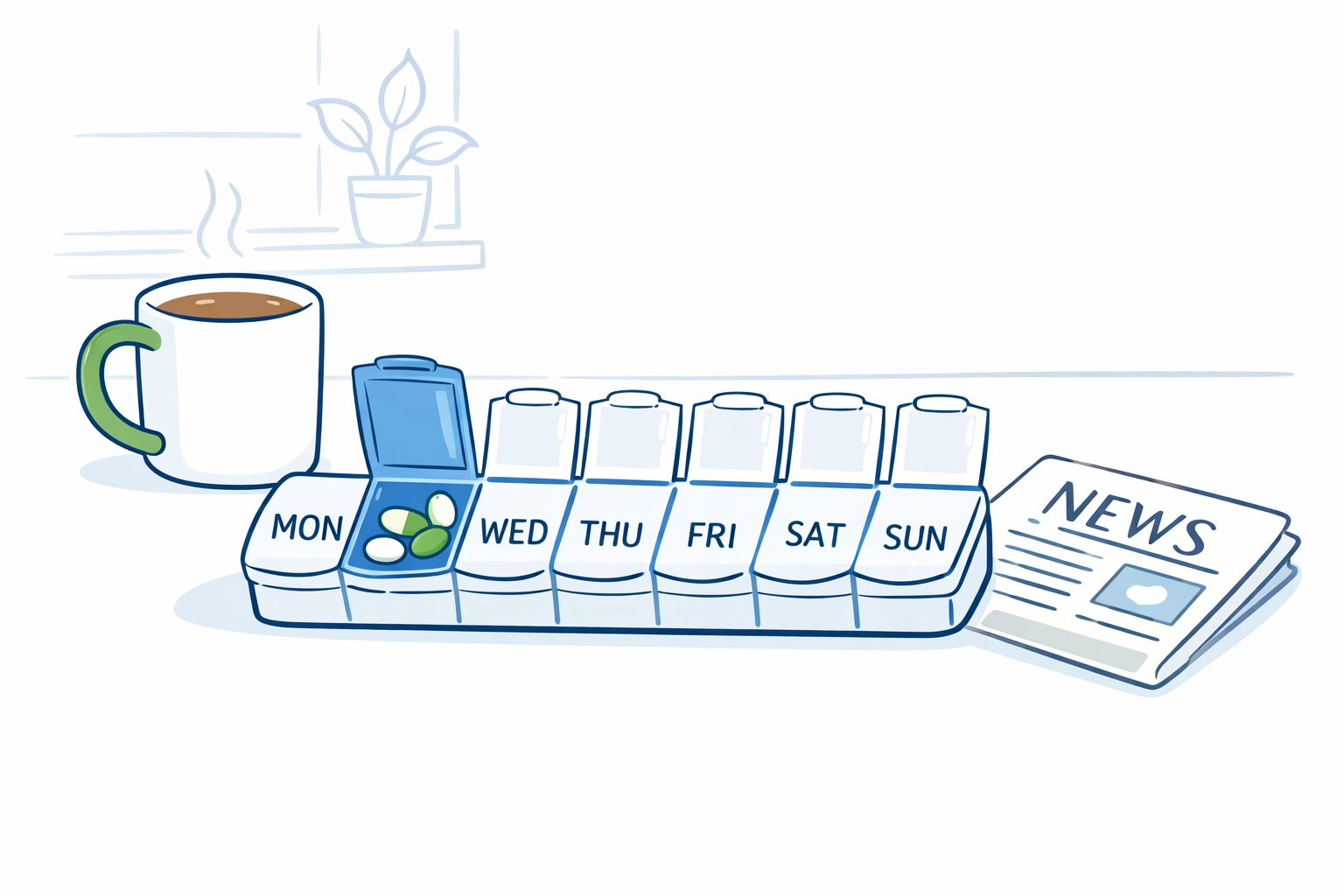
The Fix: Anchor medication-taking to an existing daily habit. Does your loved one always have coffee at 8 a.m.? That's pill time. Do they watch the evening news at 6 p.m.? Perfect: add the nighttime dose to that routine.
Pill organizers with clearly labeled days of the week also create visual accountability. If Tuesday's slots are still full by Tuesday afternoon, it's an instant red flag. Plus, it removes the guesswork of "Did I already take this?"
Our caregivers at Companion Care work medication reminders into natural daily rhythms: whether it's during morning breakfast prep, afternoon check-ins, or evening light housekeeping. When medication reminders for seniors become part of a routine someone enjoys, compliance goes way up.
Mistake #3: Confusing Similar-Looking Medications
White pill bottles. Tiny labels. Similar names. It's a recipe for disaster, especially if your loved one is managing multiple prescriptions. Taking the wrong medication: even once: can have serious consequences.
The Fix: Make it impossible to mix them up. Use color-coded tape on each bottle (blue for morning, red for bedtime, yellow for as-needed). Write the medication name and dose in large, bold letters with a permanent marker. If your loved one has vision issues, consider using a labeled pill caddy that separates doses by time of day.
Even better? Have someone else set up the weekly pill organizer for them. When a trained caregiver handles this task, you eliminate confusion before it starts. Companion Care's medication reminder service includes organizing pills into daily doses, so your loved one only has to open the correct compartment: no reading labels, no second-guessing.
Mistake #4: Taking Medications Incorrectly
Did you know that about 43% of seniors don't remember exactly how their doctor told them to take their medications? Maybe they're supposed to take one pill with food, but they're taking it on an empty stomach. Or they're crushing a time-release capsule that shouldn't be crushed.
The Fix: Create a master medication list that includes more than just the pill's name. Document:
What the medication is for
Who prescribed it
Specific instructions (take with food, avoid dairy, don't crush, etc.)
Time of day it should be taken
Possible side effects to watch for
Bring this list to every doctor's appointment. Ask questions. Clarify confusion. Update the list whenever prescriptions change.
Professional home health care services like Companion Care keep detailed medication logs and work closely with families to ensure medications are taken exactly as prescribed. Our caregivers are trained to follow doctor's orders to the letter: and to notice when something doesn't seem right.
Mistake #5: Not Taking Medications as Prescribed (On Purpose)
Sometimes, seniors skip doses intentionally. Maybe they're trying to stretch a prescription to save money. Maybe they feel better and assume they don't need the medication anymore. Either way, it's a dangerous gamble.
The Fix: Education is key. Help your loved one understand why consistent dosing matters and what could happen if they stop taking a medication prematurely. If cost is a concern, talk to their doctor about generic alternatives or patient assistance programs.
Regular check-ins: whether from family or a professional caregiver: reinforce the importance of adherence. When someone asks, "Did you take your pills today?" it creates accountability. Our caregivers at Companion Care don't just remind: they gently encourage and explain why each medication matters for your loved one's health and independence.

Mistake #6: Overlooking Potentially Dangerous Drug Interactions
Your mom's cardiologist prescribes one thing. Her primary care doctor prescribes another. She grabs an over-the-counter pain reliever at the pharmacy. Nobody checks if these medications play nicely together: and suddenly, there's a dangerous interaction happening.
The Fix: Maintain a comprehensive, updated list of all medications, including over-the-counter drugs, vitamins, and supplements. Share this list with every healthcare provider your loved one sees.
Ask for regular medication reconciliation: where a doctor or pharmacist reviews the entire list to check for interactions. This is especially important after hospital stays or when new prescriptions are added.
Companion Care's medication reminder service includes keeping detailed records of all medications and supplements. If we notice something that seems off: a new side effect, confusion, or a change in behavior: we communicate immediately with families and healthcare providers.
Mistake #7: Relying on Memory Alone for Complex Schedules
When your loved one is taking five medications: some twice daily, some three times daily, one only on Wednesdays: memory alone isn't enough. Add in any cognitive decline or early dementia, and it becomes nearly impossible.
The Fix: Remove memory from the equation entirely. Use pre-sorted pill organizers that clearly show which pills to take at what time. Set multiple alarms on a phone or medication-specific app. Keep a written medication log where doses can be checked off as they're taken.
For seniors with memory loss or cognitive challenges, having a caregiver involved isn't just helpful: it's essential. Companion Care provides personalized medication reminders for seniors that match each individual's needs and schedule. Our caregivers verify doses are taken correctly, note any missed doses, and keep families informed in real-time.
Why Professional Medication Reminders Matter
Look, we get it. You're doing everything you can. But managing medication schedules from across town (or across the state) is tough. And even when you're nearby, you can't be there for every single dose.
That's where home health care services like Companion Care step in. Our caregivers provide consistent, reliable medication reminders as part of comprehensive in-home support. We don't just hand your loved one a pill bottle and walk away: we ensure medications are taken correctly, on time, and safely.
Plus, we're watching for warning signs: new side effects, confusion, changes in appetite or behavior. When something seems off, we catch it early and loop you in immediately.
Getting Started Is Easier Than You Think
If medication management has become a source of stress for your family, it's time to get help. Companion Care serves families throughout Texas with personalized, compassionate home health care services: including medication reminders that actually work.
We'll work with you to create a care plan that fits your loved one's unique needs and your family's schedule. Whether it's daily visits, a few times a week, or just during critical medication times, we're flexible.
Ready to take the stress out of medication management? Visit our website or give us a call. Let's make sure your loved one stays healthy, safe, and on track: without you losing sleep over whether they remembered their pills.
Because when it comes to medication reminders for seniors, a little professional help can make all the difference.
Comments