
Do You Really Need Companion Care Services? Here's the Truth About Senior Loneliness
Let's be honest for a second. When most people hear "companion care services," they picture someone sitting with Grandma while she watches her soaps. And sure, that can be part of it. But here's the thing, companion care is so much more than that. And senior loneliness? It's way more serious than most families realize.
If you've been wondering whether your mom, dad, or grandparent actually needs companion care, you're asking the right question. Let's dig into what's really going on with senior loneliness and figure out if companion care services might be the missing piece for your family.
Senior Loneliness Is a Bigger Deal Than You Think
Here's a stat that might surprise you: according to the National Academies of Sciences, Engineering, and Medicine, roughly one in four older adults in America are socially isolated. That's millions of people spending day after day with little to no meaningful human connection.
And this isn't just about feeling sad or bored. Senior loneliness is now considered a genuine public health crisis. Research links chronic loneliness and social isolation to some pretty scary outcomes:
50% increased risk of dementia
29% increased risk of heart disease
32% increased risk of stroke
Higher rates of depression and anxiety
Premature death (comparable to smoking 15 cigarettes a day)
Yeah, you read that right. Loneliness can be as dangerous as smoking. Wild, isn't it?
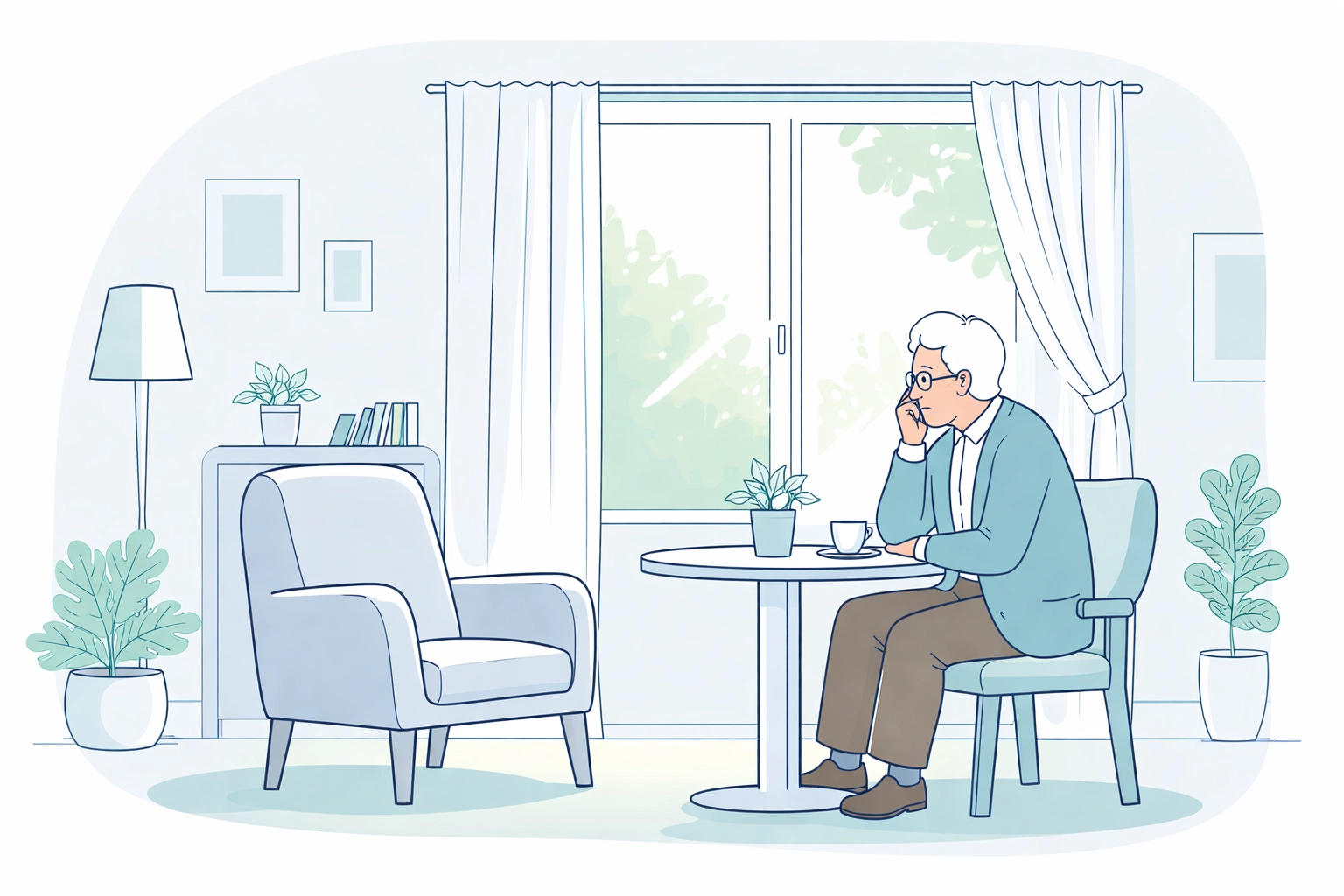
Why Are So Many Seniors Lonely?
Life changes. It just does. And for seniors, those changes often stack up in ways that lead to isolation:
They lose their social circles. Friends pass away. Family members move across the country (or across Texas, we get it, it's a big state). Suddenly, the people they used to grab coffee with or chat with at church aren't around anymore.
Mobility becomes a challenge. Driving gets harder. Walking gets harder. Even getting to the mailbox can feel like a marathon. When it's tough to physically get out, staying connected becomes nearly impossible.
Health issues pile up. Chronic conditions, medications that cause fatigue, hearing loss that makes conversations frustrating, all of these create barriers to staying social.
They don't want to be a burden. This one breaks our hearts. So many seniors avoid reaching out because they don't want to "bother" their kids or grandkids. So they sit quietly at home, alone, telling everyone they're "just fine."
Sound familiar? If you're nodding along, your loved one might be experiencing more loneliness than they're letting on.
Signs Your Loved One Might Need Companion Care Services
Senior loneliness doesn't always announce itself. Your parent might not say, "Hey, I'm lonely and struggling." Instead, watch for these subtle signs:
They've stopped doing things they used to love. No more book club. No more morning walks. No more cooking elaborate Sunday dinners.
Their home looks different. Dishes piling up. Mail stacking. General messiness that's out of character.
They seem more irritable or withdrawn. Loneliness often shows up as frustration, not sadness.
They mention feeling tired all the time. Depression and isolation drain energy.
Phone calls feel different. They either don't want to talk or they talk forever because they're starved for connection.
They've had a recent loss or life change. Losing a spouse, a close friend, or even a pet can trigger intense loneliness.
If you're seeing a few of these signs, it might be time to consider companion care services as a solution.

What Do Companion Care Services Actually Include?
Let's clear up some confusion. Companion care isn't medical care (that's a different thing). It's focused on social, emotional, and practical support to help seniors live fuller, happier lives at home.
Here's what companion care typically looks like:
Conversation and Companionship
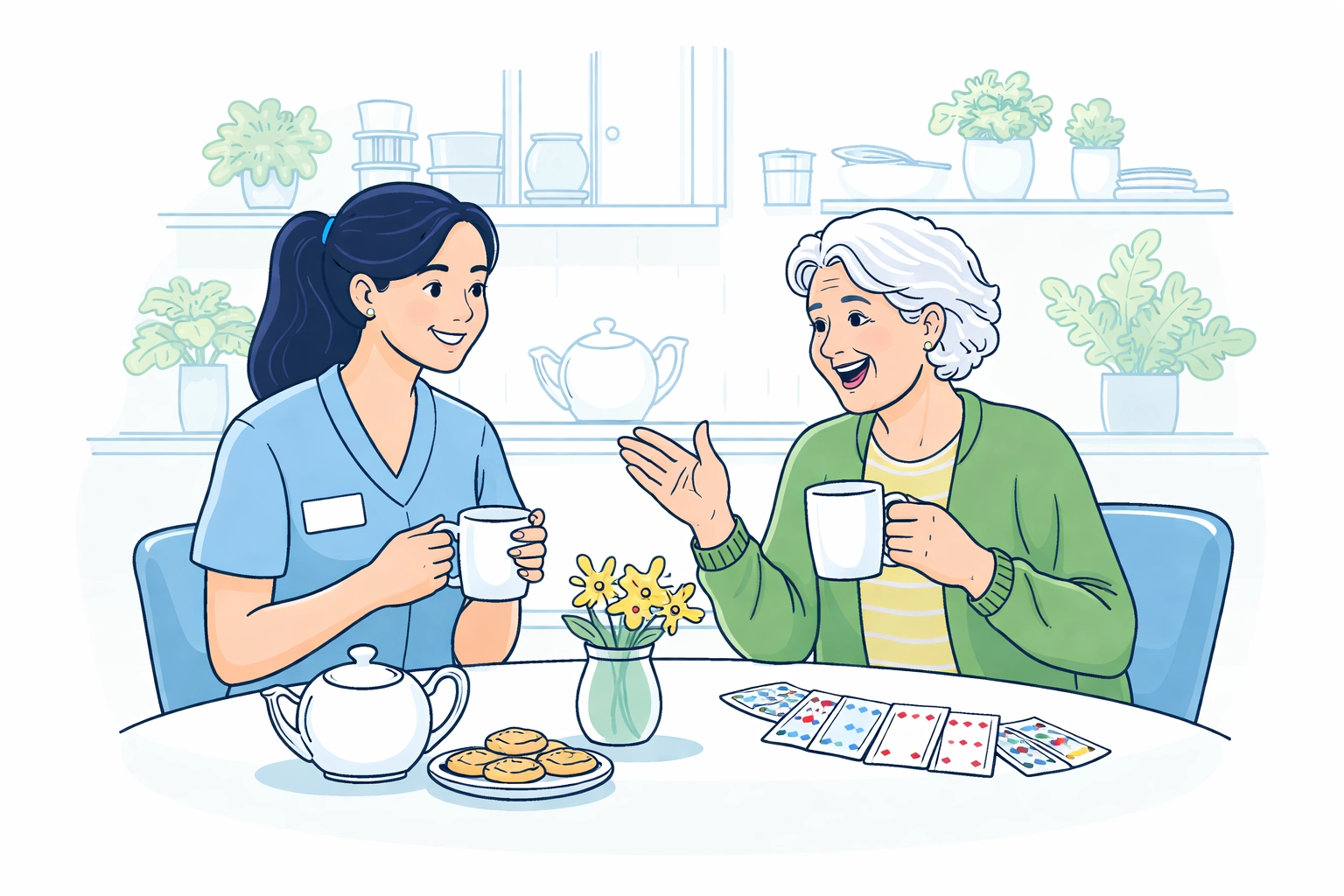
This is the heart of it. A companion caregiver shows up, sits down, and actually talks with your loved one. They listen to stories. They share laughs. They play cards or work on puzzles together. It sounds simple, but for someone who's been alone all week, it's everything.
Activities and Engagement
Companion caregivers help seniors stay active and engaged. That might mean:
Going for walks around the neighborhood
Working on hobbies like gardening or crafts
Reading together or doing crossword puzzles
Watching favorite movies or shows (and actually discussing them!)
Light Housekeeping
A tidy home makes a huge difference for mental health. Companion care often includes help with laundry, dishes, light cleaning, and keeping living spaces comfortable.
Meal Preparation
Cooking for one is no fun. Companion caregivers can help prepare nutritious meals, making sure your loved one is eating well: and maybe enjoying the process again.
Errands and Transportation
Need to get to a doctor's appointment? Want to visit the grocery store? Companion care can include rides and assistance with errands, helping seniors stay connected to their community.
Safety and Peace of Mind
Just having someone check in regularly means problems get caught early. A fall, a missed medication, a sudden change in mood: companion caregivers notice these things and can alert family members.
The Real Benefits of Companion Care for Lonely Seniors
So what actually happens when a lonely senior starts receiving companion care services? The changes can be remarkable:
Improved mental health. Regular social interaction reduces depression and anxiety. Seniors feel seen, heard, and valued again.
Better physical health. When someone's around encouraging them to eat well, stay active, and keep up with appointments, health outcomes improve.
Maintained independence. Companion care helps seniors stay in their own homes longer, which is what most of them want. No nursing home. No assisted living. Just home, with a little extra help.
Reduced family stress. Let's be real: you can't be there 24/7. Knowing someone trustworthy is spending time with your loved one takes a weight off your shoulders.
Genuine human connection. At the end of the day, we all need people. Companion care fills that gap when family and friends can't be there.
Do YOU Really Need Companion Care Services?
Here's the honest answer: not everyone does.
If your parent has a strong social network, stays active in their community, has family nearby who visits regularly, and seems genuinely content: they might not need professional companion care right now.
But if you're seeing signs of isolation, if they've experienced a major life change, if they're homebound or struggling to maintain their daily routines: companion care services could genuinely change their life.
It's not about admitting defeat or "giving up" on caring for your loved one yourself. It's about giving them the consistent, reliable social connection they deserve, even when you can't be there.

Companion Care Services Across Texas
At Companion Care Home Healthcare, we provide compassionate companion care services throughout Texas, including:
Houston
Austin
San Antonio
Dallas
No matter where your loved one lives in the Lone Star State, our caregivers are ready to bring warmth, conversation, and genuine companionship into their home.
Ready to Learn More?
If you're reading this and thinking, "This sounds like exactly what Mom needs," we'd love to chat. No pressure, no sales pitch: just a real conversation about what your family is going through and how we might be able to help.
Learn more about our services or reach out to us directly to get started.
Senior loneliness is real. But it doesn't have to be permanent. Sometimes, the right companion makes all the difference.
Comments